Breast cancer
-

Can Exercise Help “Chemo Brain”? What the Newer Trials Actually Show
New trials suggest a short, individualized walking-and-resistance program may ease perceived cognitive problems and mental fatigue…
-
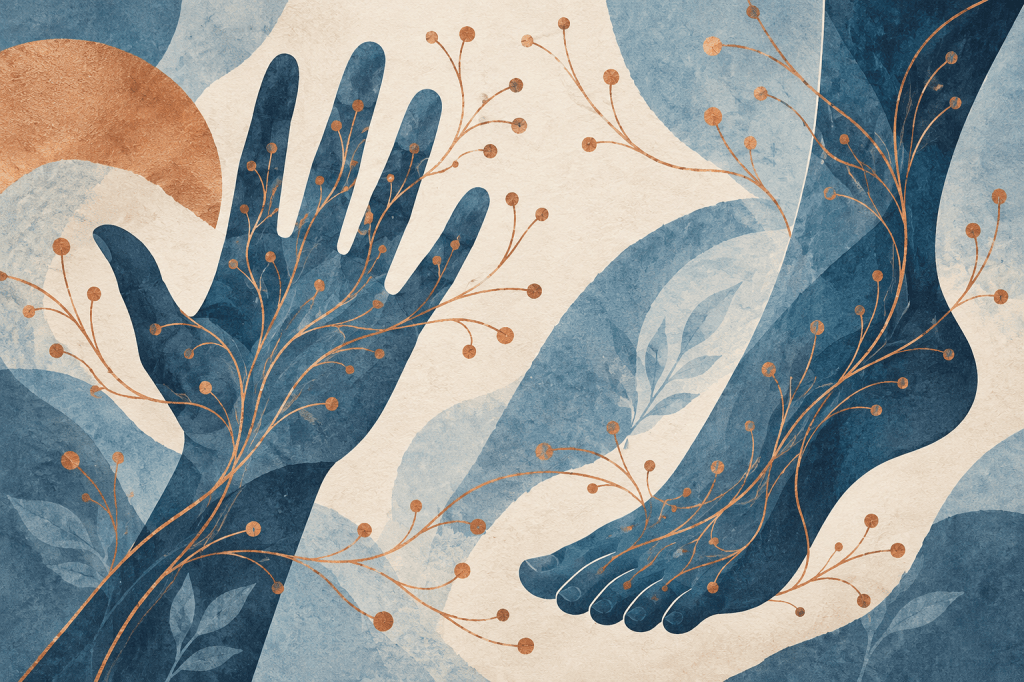
Cooling Hands and Feet During Taxane Chemotherapy: Can It Prevent Neuropathy?
Frozen gloves and socks may reduce taxane neuropathy, but randomized results are inconsistent, cold intolerance is…
-

Melatonin After Breast Cancer: A Sleep Signal Worth Putting in Context
Small breast cancer trials suggest sleep benefits from melatonin, but a Cochrane review remains uncertain. Newer…
-

Hot Flashes During Breast Cancer Treatment: Where Oxybutynin Fits
Oxybutynin reduced hot flashes in a randomized trial that included women taking endocrine therapy. The benefit…
-

Exercise With Metastatic Breast Cancer: Support for Strength and Everyday Life
The PREFERABLE-EFFECT trial and a 2026 analysis support supervised exercise for fatigue, quality of life and…
-
Vitamin B6 for Capecitabine Hand–Foot Syndrome: A Familiar Idea That Did Not Hold Up
Randomized trials do not show that high-dose vitamin B6 prevents capecitabine hand–foot syndrome—and chronic excess B6…
-

Yoga After Cancer Treatment: Helpful for Fatigue, but Not a Cure-All
A structured, gentle yoga program improved fatigue and sleep in a large survivor trial. The population,…
-
Scalp Cooling During Chemotherapy: What Keeping More Hair Can—and Cannot—Mean
Scalp cooling can reduce chemotherapy-related hair loss for some people with breast cancer. The trials, longer-term…
-
Curcumin for Radiation Skin Reactions: The Formulation Changes the Question
A large oral-curcumin trial was negative; a small topical-gel study and a September 2026 review add…
-
Strength Training After Breast Cancer: What If You Have Lymphedema?
Progressive strength training can belong in lymphedema care. The evidence supports a gradual, supported program—not a…

